

Running a community pharmacy means knowing your customers’ needs before they walk through the door. Seasonal demand is one of the most reliable patterns in retail healthcare and pharmacies that prepare for it early consistently outperform those that react late.
This guide breaks down the key seasonal sales peaks across the UK calendar year, which products to prioritise in each period, and how pharmacies can use delivery platforms to reach more customers, even during their busiest seasons.
Why seasonal planning is important for UK pharmacies
The UK over-the-counter (OTC) medicines market was valued at approximately £4.83 billion in 2025, according to latest industry reports. Cough, cold, and flu products have overtaken other categories to become the largest single segment, fueled by a heavy winter season and a post-pandemic trend toward proactive symptom management. This growth is further supported by the UK Government’s 10 Year Health Plan (2025), which officially established self-care as a central pillar of national health policy to reduce pressure on the NHS.
Seasonal demand is not random. Every year, UK pharmacies see predictable spikes in specific categories: cold and flu products in autumn, sun care in early summer, hay fever treatments in spring. These patterns are shaped by the weather, the NHS calendar, and consumer habits.
Pharmacies that stock strategically ahead of each season benefit from:
- Fewer stockouts during peak demand
- Higher basket values as customers buy seasonal bundles
- Stronger customer loyalty when the pharmacy is reliably well-stocked
Below is a season-by-season breakdown to help you plan throughout the year.
Spring (March – May): Allergy season and wellness reset
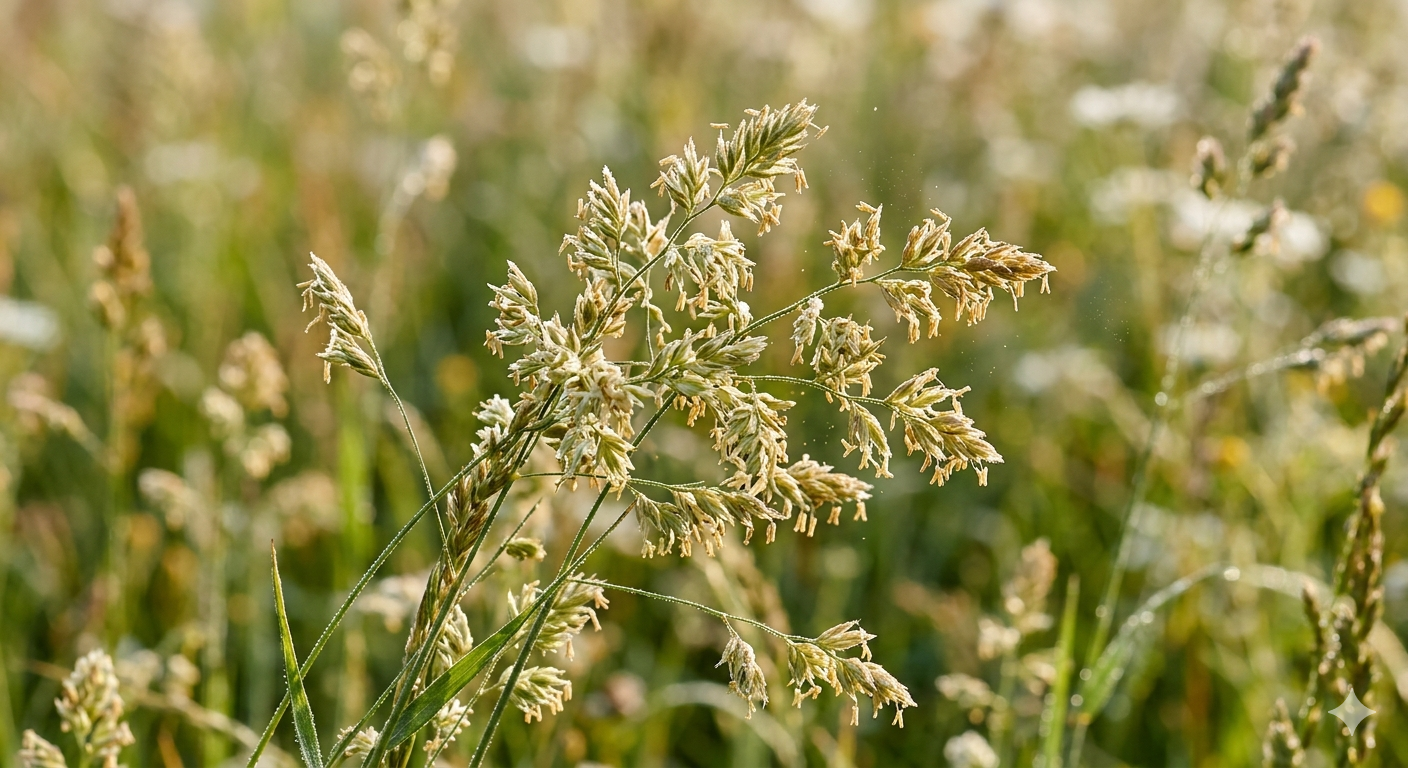
Spring brings longer days and for millions of UK residents, the return of hay fever symptoms. According to the Natasha Allergy Research Foundation, around one in four people in the UK has hay fever, equating to approximately 16 million people. A joint survey by Allergy UK and Kleenex found that as many as 49% of the UK population report experiencing hay fever symptoms in some form.
The UK pollen season has three overlapping phases: tree pollen from March to May, grass pollen from May to July (peaking in June and July) and weed pollen from late June through to September. This means hay fever demand stretches across almost half the year.
Key products to stock:
- Antihistamines (cetirizine, loratadine, fexofenadine)
- Nasal sprays and eye drops for allergy relief
- Vitamin D supplements (post-winter depletion is common)
- Probiotic supplements as customers revisit health goals
- Skincare treatments for eczema triggered by seasonal changes
Tip: Begin increasing your antihistamine stock in late February: pharmacies often see demand spike before customers expect it. Grass pollen typically begins spreading from mid-May, but tree pollen starts much earlier and catches many customers off guard.
Summer (June – August): Sun, travel and self-care
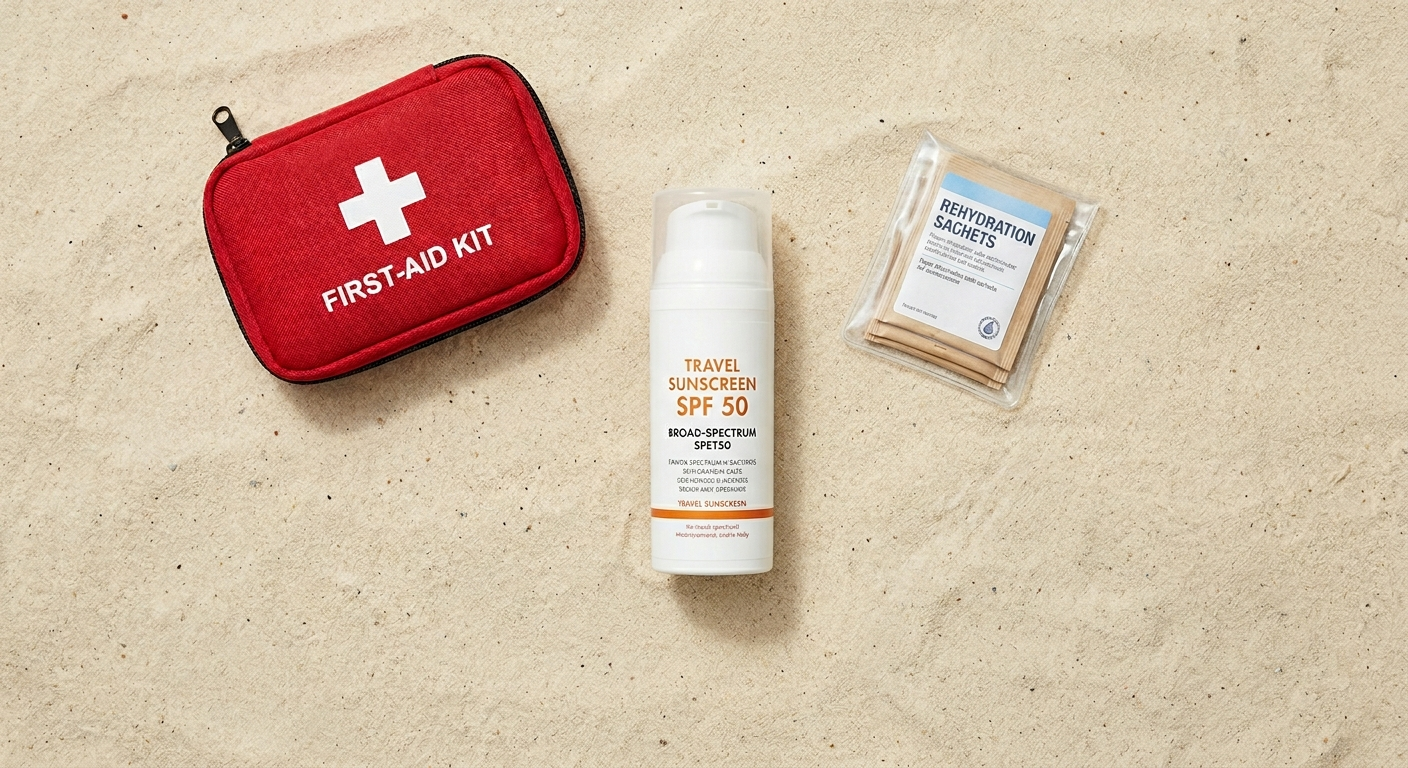
Summer is a strong period for personal care, travel health and sun protection. The UK sun protection market was estimated at approximately £340 million in 2025, with analysts projecting continued annual growth. Customers preparing for holidays, both abroad and in the UK, look to their local pharmacy for trusted recommendations.
Consumer awareness of UV risk is growing: Mintel research found that 72% of UK adults used sun protection in the 12 months to September 2024. Pharmacy remains a trusted channel for sun care, particularly for higher SPF products and specialist formulations for sensitive skin.
Key products to stock:
- Sun cream and SPF lip balm across a range of protection factors
- After-sun and burn relief products
- Insect repellent and bite treatments
- Travel health essentials: antidiarrhoeal, rehydration sachets, motion sickness treatments
- Hay fever products (pollen season continues into July)
- Electrolytes and hydration products
Tip: Travel health consultations are an increasingly popular Pharmacy First service. Ensure your team is ready to advise on travel vaccinations, antimalarials and destination-specific risks alongside OTC travel essentials. To prepare your staff for these clinical shifts, you can review our guide on how to become a Pharmacy First pharmacy.
Autumn (September – November): Back to school and early cold season
September marks a sharp shift in pharmacy demand. Children return to school, temperatures begin to drop, and the first wave of colds and respiratory illness takes hold. This is the time to get ahead of winter.
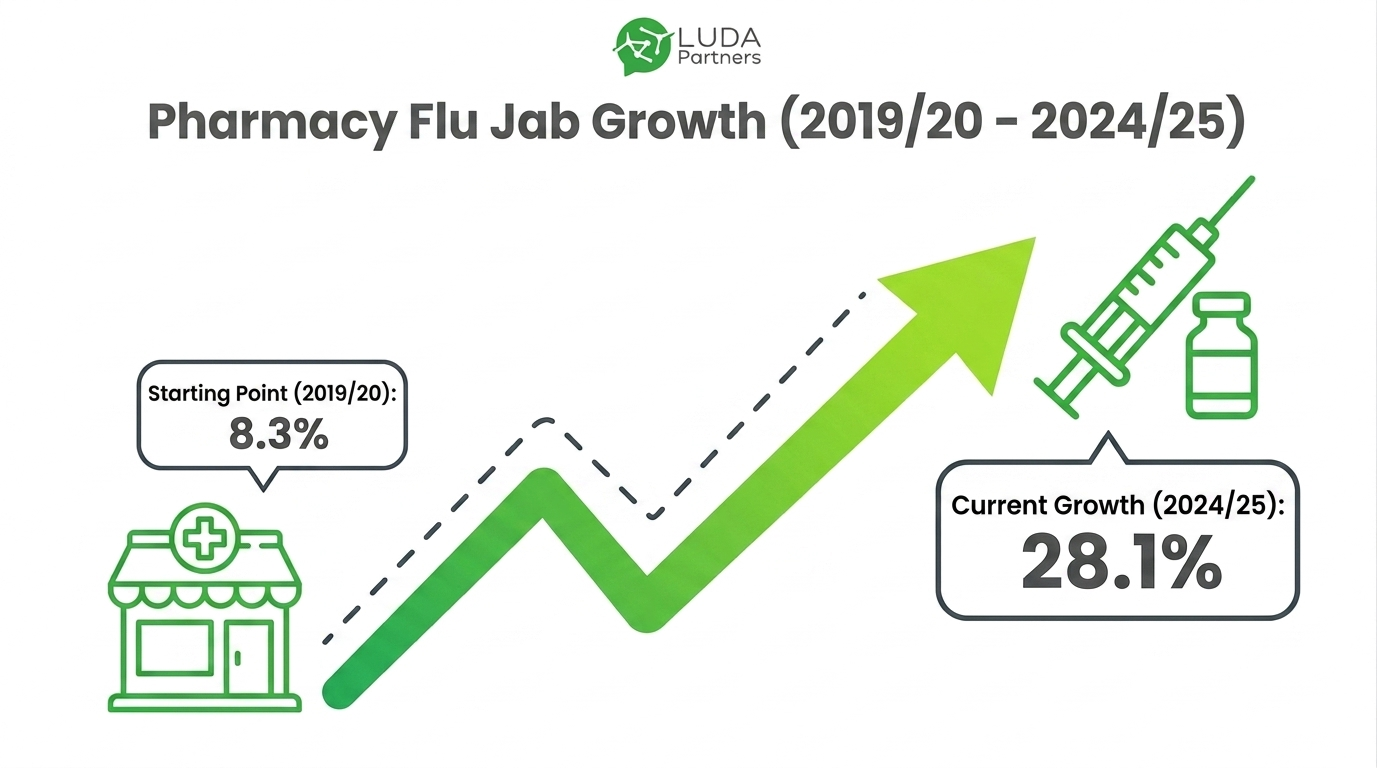
Pharmacy’s role in flu vaccination has grown dramatically in recent years. According to data from the UK Health Security Agency (UKHSA), the proportion of flu vaccines administered to patients aged over 65 via community pharmacies rose from 8.3% in 2019/20 to 28.1% in 2024/25, nearly a 20 percentage point increase in five years. During the 2024/25 season, community pharmacies in England administered over 4 million flu vaccinations, the highest total outside of the COVID-19 pandemic years.
Key products to stock:
- Children’s cold and flu remedies (Calpol, Nurofen for Children, Lemsip)
- Throat lozenges and cough syrups
- Vitamins C and D, zinc supplements
- Hand sanitisers and hygiene products
- Flu vaccination stock and patient booking capacity
- Dry skin and eczema treatments as central heating starts
Tip: Promote flu vaccination early: the NHS campaign begins from September for eligible groups, and demand is highest in October. Community pharmacies are now the second most common setting after GP practices for over-65 flu vaccination.
Winter (December – February): The busiest OTC season
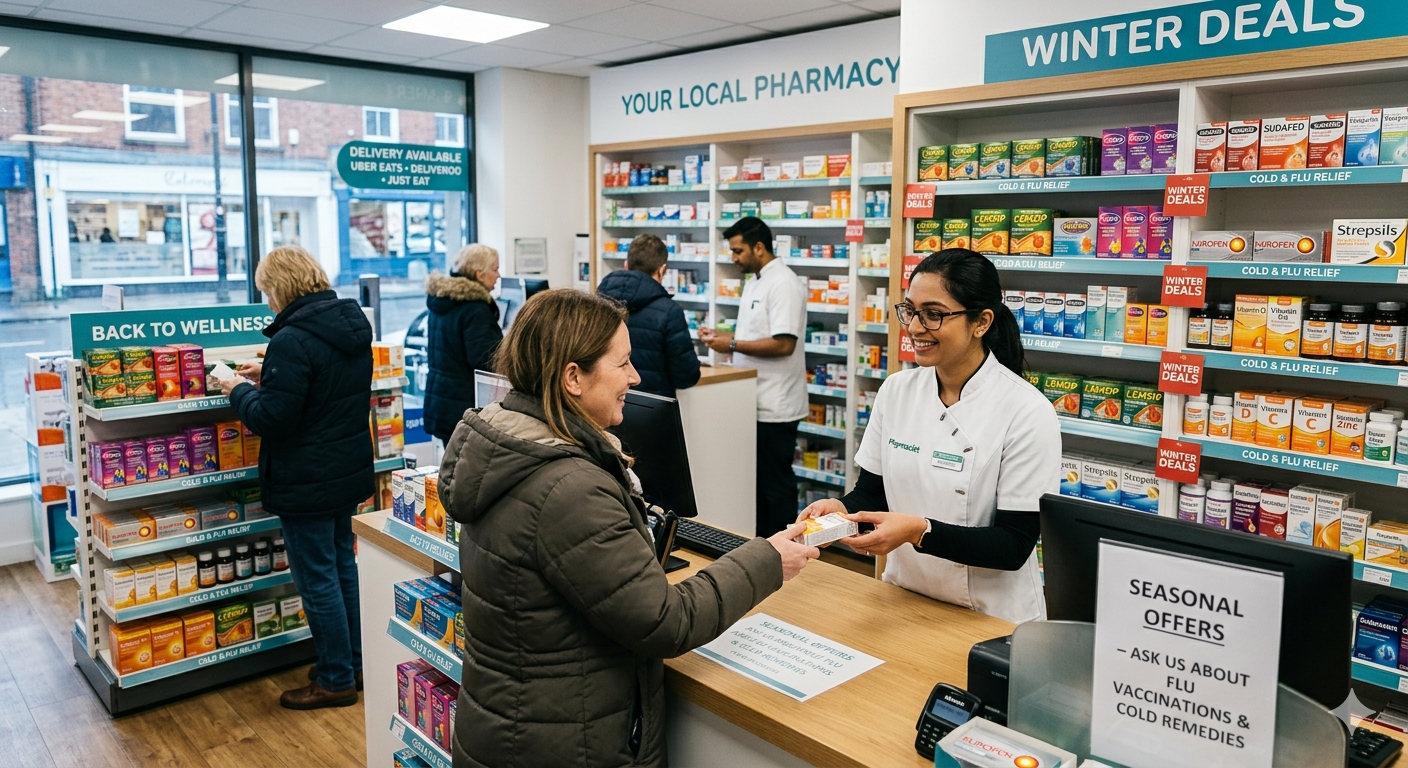
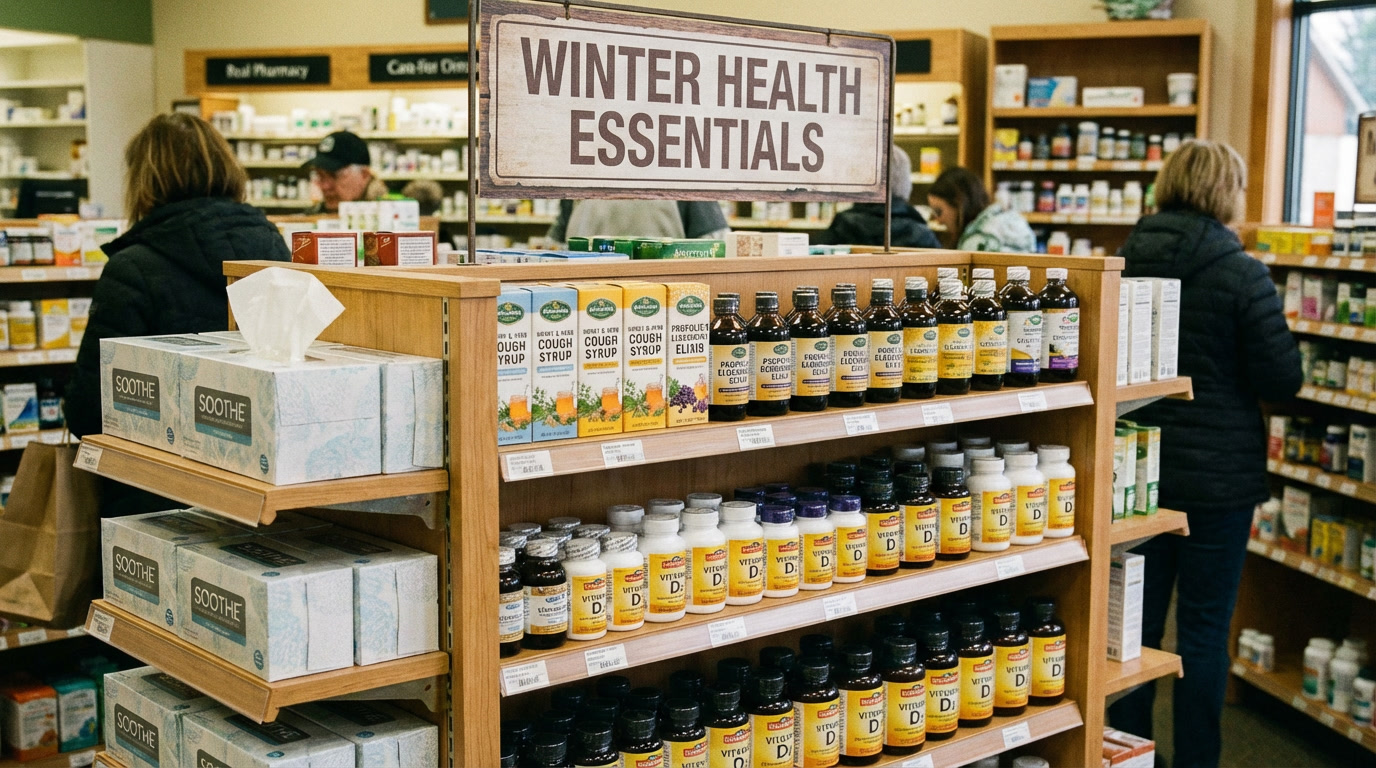
Winter remains the highest-demand period of the year for community pharmacies, but the stakes have never been higher. Following the surge in respiratory illnesses and the official shift toward «Pharmacy First» in 2025, the cough, cold, and flu segment has solidified its position as the largest single category in the UK OTC market.
With the total UK OTC market now valued at £4.83 billion, winter months account for a disproportionate share of this spend. As customers increasingly look to manage multiple symptoms at once, pairing respiratory relief with pain management and immune support, the opportunity for bundled seasonal sales has grown significantly.
Key products to stock:
- Cold, flu and decongestant remedies
- Pain relief: paracetamol, ibuprofen, aspirin
- Skincare: intensive moisturisers, barrier creams, lip care
- Vitamin D (reduced sunlight means widespread deficiency)
- Digestive remedies for the festive period
- Health monitoring devices (blood pressure monitors, thermometers)
- Gift sets and personal care: strong December impulse purchases
Tip: Don’t underestimate January. Once Christmas is over, customers refocus on health and wellness goals: vitamins, weight management and fitness products all see a significant demand spike in the first few weeks of the year. Approximately 36% of UK adults regularly take vitamins or supplements, with January representing one of the strongest purchase periods. For more detailed strategies on maximising this period, read our guide on five ways UK pharmacies can increase OTC sales this winter.
How delivery platforms can boost seasonal sales year-round
Seasonal demand doesn’t just walk through your door anymore. Increasingly, UK customers search for pharmacy products on the same apps they use to order food: Uber Eats, Just Eat and Deliveroo. When someone wakes up with a blocked nose at 7am or a child comes home from school with a fever, they want fast, convenient access to relief. The closest pharmacy that appears on those platforms gets the sale.
To understand which categories perform best in the digital space, it is helpful to look at the most popular pharmacy delivery products in the UK, which highlights how pain relief and baby care drive high volume on apps.
LUDA Partners connects UK and Irish community pharmacies to Uber Eats, Just Eat and Deliveroo through a single integration. LUDA handles catalogue setup, updates and optimisation, meaning your seasonal range is always visible to local customers browsing delivery apps, without your team having to manage three separate platforms.
What makes LUDA different:
- No fixed fees: you only pay when you sell
- Minimal workload for your team: LUDA manages the platforms
- A single integration connecting you to all three major delivery apps
For community pharmacies, this means your seasonal stock, whether it’s hay fever tablets in spring or flu remedies in October, reaches customers at the exact moment they need it, through the channels they already trust.
Ready to reach more customers this season?
Seasonal planning is only half the equation. The other half is visibility, making sure your pharmacy appears wherever local customers are looking.
Find out how LUDA Partners can help your pharmacy sell seasonal products on Uber Eats, Just Eat and Deliveroo by filling out this short form here.
Quick reference: UK pharmacy seasonal calendar
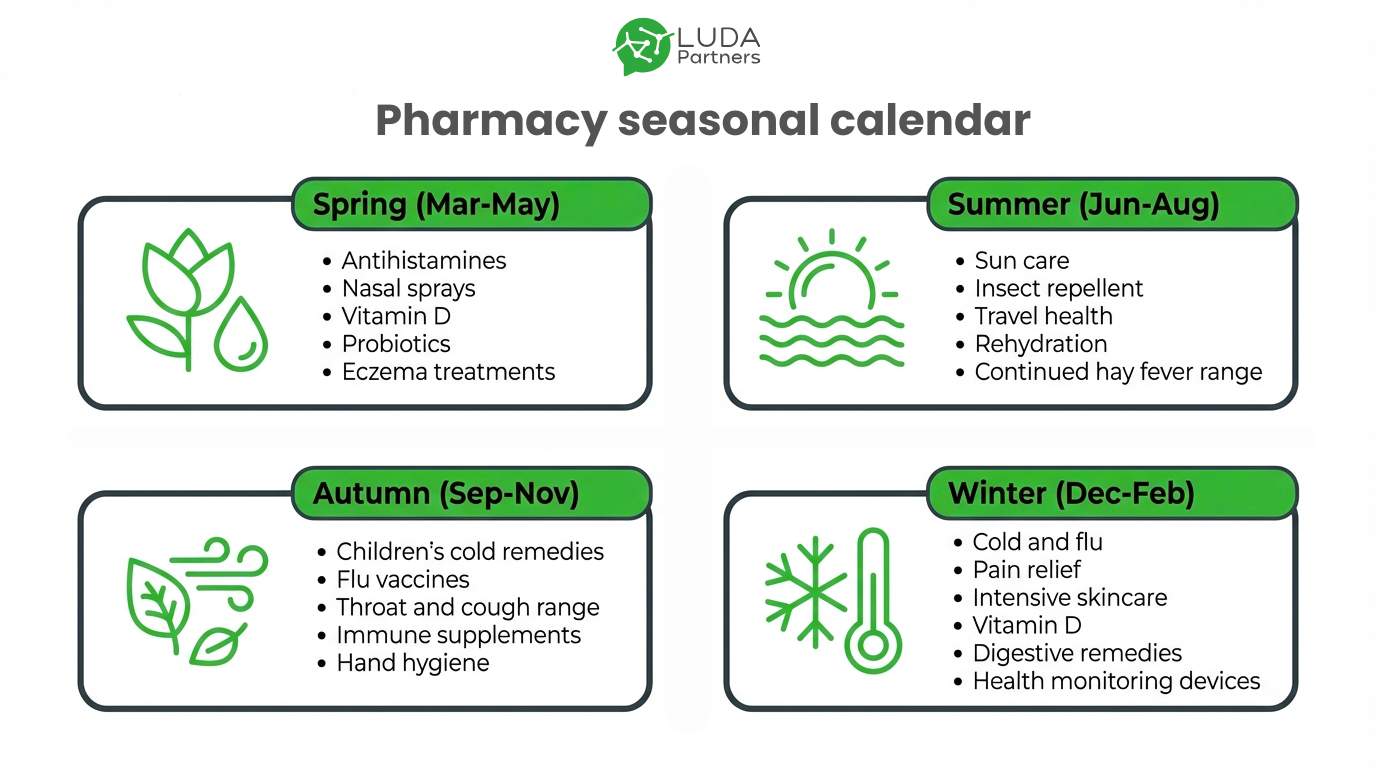
Spring (Mar-May): Antihistamines, nasal sprays, vitamin D, probiotics, eczema treatments
Summer (Jun-Aug): Sun care, insect repellent, travel health, rehydration, continued hay fever range
Autumn (Sep-Nov): Children’s cold remedies, flu vaccines, throat and cough range, immune supplements, hand hygiene
Winter (Dec-Feb): Cold and flu, pain relief, intensive skincare, vitamin D, digestive remedies, health monitoring devices